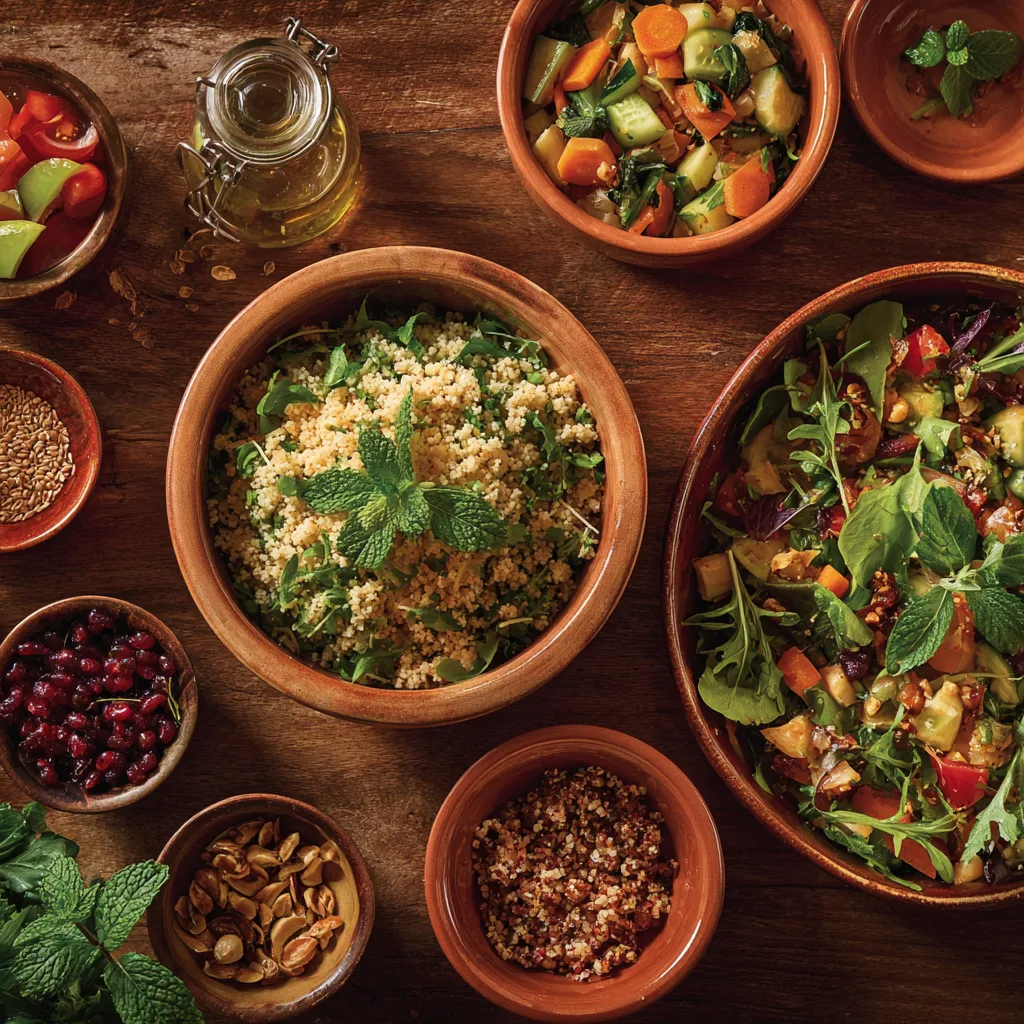
Introduction to Healthy Ramadan Reset: Smart Kitchen Tips for a Balanced Month
As the holy month of Ramadan approaches, many of us find ourselves juggling busy schedules while trying to maintain a balanced diet. That’s where my guide, Healthy Ramadan Reset: Smart Kitchen Tips for a Balanced Month, comes in! I know how challenging it can be to prepare nutritious meals when time is tight. This guide is designed to help you create delicious, wholesome dishes that nourish your body and soul. Whether you’re a busy mom or a professional, these smart kitchen tips will make your Ramadan both fulfilling and enjoyable.
Why You’ll Love This Healthy Ramadan Reset: Smart Kitchen Tips for a Balanced Month
This guide is a lifesaver for anyone looking to simplify their meal prep during Ramadan. With easy-to-follow tips, you’ll save time while still enjoying flavorful, nutritious meals. Imagine savoring a delicious iftar without the stress of complicated recipes! Plus, these smart kitchen tips help you maintain energy levels, making it easier to embrace the spiritual journey of Ramadan. You’ll feel good about what you eat, and that’s a win-win!
Ingredients for Healthy Ramadan Reset: Smart Kitchen Tips for a Balanced Month
Gathering the right ingredients is key to a successful Ramadan reset. Here’s what you’ll need to create balanced meals that are both nourishing and satisfying:
- Fresh fruits and vegetables: These are your best friends! They provide essential vitamins and minerals. Think colorful options like berries, oranges, spinach, and bell peppers.
- Whole grains: Opt for brown rice, quinoa, or whole wheat bread. They offer fiber and keep you feeling full longer, which is perfect for those long fasting hours.
- Lean proteins: Chicken, turkey, or legumes like lentils and chickpeas are great choices. They help repair tissues and keep your energy levels steady.
- Healthy fats: Incorporate olive oil, avocados, or nuts. These fats are heart-healthy and add flavor to your dishes without the guilt.
- Herbs and spices: Fresh herbs like cilantro or spices like cumin and turmeric can elevate your meals. They not only enhance taste but also offer health benefits.
- Low-sugar snacks: Think nuts, yogurt, or fruit. These will help curb cravings and provide a quick energy boost between meals.
For exact quantities and more detailed information, check the bottom of the article where you can find everything available for printing. Happy cooking!
How to Make Healthy Ramadan Reset: Smart Kitchen Tips for a Balanced Month
Step 1: Plan Your Meals Ahead of Time
Meal planning is your secret weapon during Ramadan. By taking a little time to map out your meals, you can ensure a balanced diet. I like to sit down on the weekend and jot down what I’ll serve for iftar and suhoor. This way, I avoid the last-minute scramble and can focus on enjoying my meals. Plus, it helps me stick to my healthy eating goals!
Step 2: Incorporate a Variety of Food Groups
Creating balanced meals is all about variety. For iftar, I love to include a mix of lean proteins, whole grains, and plenty of colorful veggies. Think grilled chicken with quinoa and a side of roasted vegetables. For suhoor, oatmeal topped with fresh fruits and nuts is a winner. This diversity not only keeps meals exciting but also ensures you get all the nutrients your body craves.
Step 3: Use Healthy Cooking Methods
How you cook can make a big difference! I prefer grilling, steaming, or baking my meals. These methods keep the flavors vibrant without adding unnecessary fats. For instance, grilling veggies brings out their natural sweetness, while steaming preserves their nutrients. It’s a simple way to make your meals healthier without sacrificing taste.
Step 4: Stay Hydrated
Hydration is crucial, especially during Ramadan. I make it a point to drink plenty of water between iftar and suhoor. Herbal teas or infused water with fruits can also be refreshing options. Staying hydrated helps maintain energy levels and keeps your body functioning well. Remember, a well-hydrated body is a happy body!
Step 5: Limit Processed Foods
Processed foods can be tempting, but they often come with hidden sugars and unhealthy fats. I try to limit these during Ramadan. Instead, I focus on whole, natural foods. This not only helps me feel better but also keeps my energy steady throughout the day. Plus, cooking from scratch can be a fun and rewarding experience!
Step 6: Prepare Healthy Snacks
Healthy snacks are a lifesaver! I like to prepare a few options in advance, like cut-up veggies with hummus or a mix of nuts and dried fruits. These snacks help curb cravings and prevent overeating during meals. Having them ready to go makes it easier to stick to my healthy eating plan, even when I’m busy.
Tips for Success
- Keep a well-stocked pantry with healthy staples to make meal prep easier.
- Batch cook grains and proteins to save time during the week.
- Use clear containers for snacks to encourage healthy choices.
- Involve your family in meal prep to make it a fun activity.
- Experiment with new recipes to keep things exciting and flavorful.
Equipment Needed for Healthy Ramadan Reset: Smart Kitchen Tips for a Balanced Month
- Cutting board: A sturdy surface for chopping fruits and veggies. A plastic or bamboo board works well.
- Sharp knife: Essential for easy slicing. A chef’s knife is my go-to.
- Measuring cups and spoons: Helpful for portion control. You can use any standard set.
- Mixing bowls: Great for combining ingredients. Glass or stainless steel bowls are durable options.
- Cooking pots and pans: Non-stick or stainless steel pans are perfect for healthy cooking methods.
Variations of Healthy Ramadan Reset: Smart Kitchen Tips for a Balanced Month
- Quinoa Salad: Swap out rice for quinoa in your meals. It’s packed with protein and has a delightful nutty flavor.
- Vegetarian Options: For a meatless twist, use chickpeas or black beans in your dishes. They’re hearty and full of nutrients.
- Spice it Up: Experiment with different spices like za’atar or sumac to add unique flavors to your meals.
- Gluten-Free Choices: Use gluten-free grains like millet or buckwheat for those with dietary restrictions.
- Fruit Smoothies: Blend fresh fruits with yogurt for a refreshing suhoor option that’s quick and nutritious.
Serving Suggestions for Healthy Ramadan Reset: Smart Kitchen Tips for a Balanced Month
- Pair your iftar with a refreshing cucumber and tomato salad for a light crunch.
- Serve dates stuffed with nuts as a sweet treat to break your fast.
- Offer mint tea or lemon-infused water to keep everyone hydrated.
- Present meals on colorful platters to make dining visually appealing.
- Garnish dishes with fresh herbs for an extra pop of flavor.
FAQs about Healthy Ramadan Reset: Smart Kitchen Tips for a Balanced Month
What are some quick meal ideas for iftar?
For a quick iftar, consider grilled chicken wraps with fresh veggies or a hearty lentil soup paired with whole grain bread. These options are nutritious and can be prepared in under 30 minutes!
How can I ensure my family stays healthy during Ramadan?
Involve your family in meal planning and preparation. Encourage them to choose healthy ingredients and try new recipes together. This not only promotes healthy eating but also creates lasting memories.
What are some healthy snacks to prepare for Ramadan?
Healthy snacks like yogurt with fruit, mixed nuts, or veggie sticks with hummus are great choices. They provide energy and keep cravings at bay between meals.
How can I stay hydrated during Ramadan?
Drink plenty of water between iftar and suhoor. Herbal teas or infused water with fruits can also help keep you hydrated while adding a refreshing twist.
Can I meal prep for Ramadan?
Absolutely! Meal prepping is a fantastic way to save time and ensure you have healthy options ready. Cook grains, proteins, and chop veggies in advance to make meal assembly quick and easy.
Final Thoughts on Healthy Ramadan Reset: Smart Kitchen Tips for a Balanced Month
Embracing the Healthy Ramadan Reset: Smart Kitchen Tips for a Balanced Month has truly transformed my experience during this special time. It’s not just about the food; it’s about nourishing our bodies and souls while connecting with loved ones. By planning meals and incorporating a variety of ingredients, I’ve found joy in cooking and sharing delicious dishes. Each meal becomes a celebration of health and togetherness. I hope these tips inspire you to create your own culinary adventures this Ramadan, making it a month filled with love, laughter, and balanced nourishment!
Print
Healthy Ramadan Reset: Discover Smart Kitchen Tips Today!
- Total Time: 1 hour 30 minutes
- Yield: 4 servings
- Diet: Vegetarian
Description
A guide to maintaining a balanced diet during Ramadan with smart kitchen tips.
Ingredients
- Fresh fruits and vegetables
- Whole grains
- Lean proteins
- Healthy fats (like olive oil)
- Herbs and spices
- Low-sugar snacks
Instructions
- Plan your meals ahead of time to ensure a balanced diet.
- Incorporate a variety of food groups in your iftar and suhoor meals.
- Use healthy cooking methods such as grilling, steaming, or baking.
- Stay hydrated by drinking plenty of water between iftar and suhoor.
- Limit processed foods and added sugars.
- Prepare healthy snacks to avoid overeating during meals.
Notes
- Consider portion control to maintain energy levels.
- Adjust meal timings to fit your daily routine.
- Include fiber-rich foods to aid digestion.
- Prep Time: 30 minutes
- Cook Time: 1 hour
- Category: Healthy Eating
- Method: Cooking and Meal Preparation
- Cuisine: Middle Eastern
Nutrition
- Serving Size: 1 serving
- Calories: 350
- Sugar: 10g
- Sodium: 200mg
- Fat: 15g
- Saturated Fat: 2g
- Unsaturated Fat: 10g
- Trans Fat: 0g
- Carbohydrates: 45g
- Fiber: 8g
- Protein: 12g
- Cholesterol: 0mg