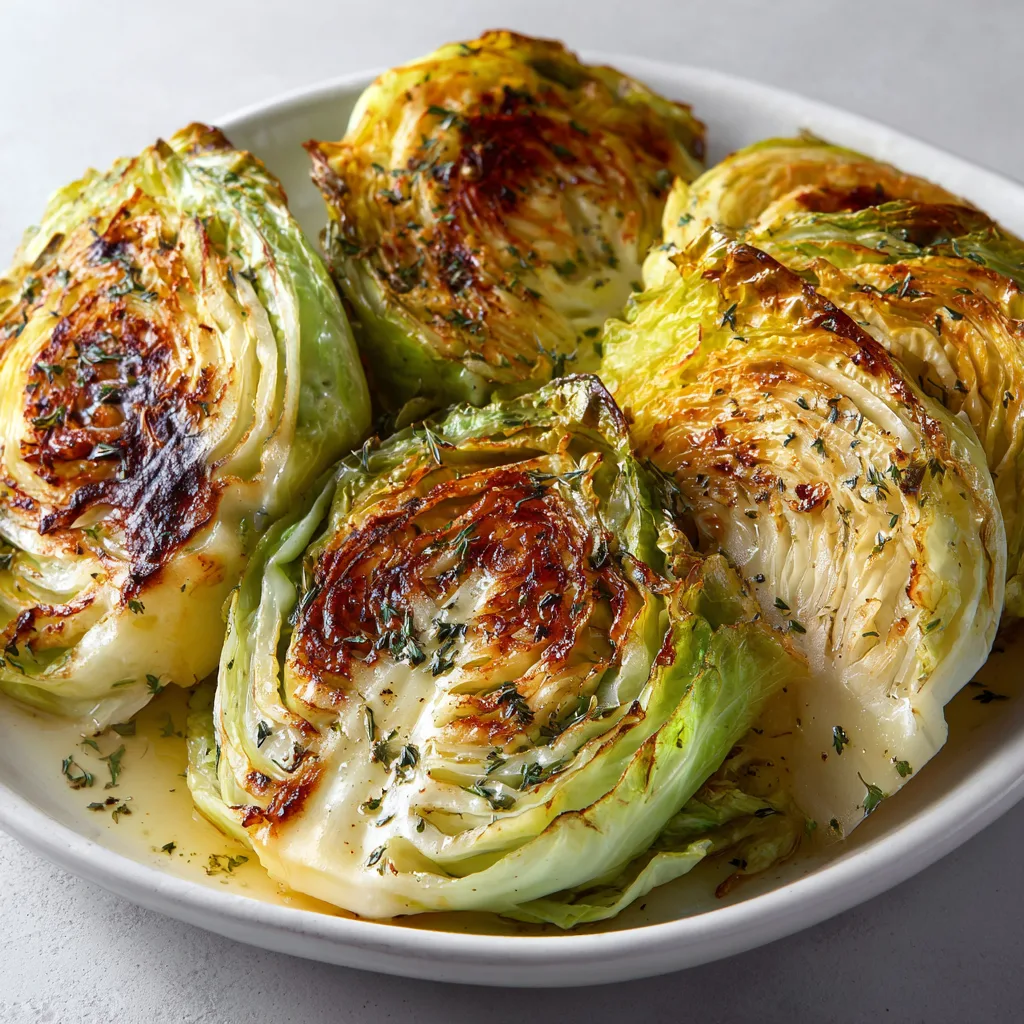
Introduction to Searing vs. Braising: Which Cabbage Technique is Right for Your Dinner?
As a busy mom, I know how precious time can be, especially when it comes to dinner. That’s why I love exploring the world of cooking techniques, like searing vs. braising. Each method brings out unique flavors in cabbage, making it a versatile ingredient for any meal. Whether you’re looking for a quick solution for a hectic weeknight or a dish to impress your loved ones, understanding these techniques can elevate your cooking game. Join me as we dive into the delicious world of cabbage and discover which technique is right for your dinner!
Why You’ll Love This Searing vs. Braising: Which Cabbage Technique is Right for Your Dinner?
Both searing and braising cabbage are fantastic options for busy nights. Searing gives you that delightful crispy texture in just minutes, perfect for a quick side dish. On the other hand, braising transforms cabbage into a tender, flavorful delight that warms the soul. Whichever method you choose, you’ll enjoy a delicious meal that’s easy to prepare and sure to please even the pickiest eaters at your table!
Ingredients for Searing vs. Braising: Which Cabbage Technique is Right for Your Dinner?
When it comes to cooking cabbage, the right ingredients can make all the difference. Here’s what you’ll need for both searing and braising:
- Cabbage: A whole head of cabbage is the star of the show. You can use green, red, or even Napa cabbage for different flavors and textures.
- Olive oil: This healthy fat is perfect for both searing and sautéing. It adds richness and helps achieve that golden-brown crust.
- Salt: A pinch of salt enhances the natural flavors of the cabbage. It’s essential for both techniques.
- Pepper: Freshly cracked black pepper adds a bit of heat and depth to your dish. Adjust to your taste!
- Vegetable broth: For braising, vegetable broth infuses the cabbage with flavor. You can also use chicken broth if you prefer.
- Garlic: Minced garlic brings a wonderful aroma and taste. It’s a must-have for sautéing with the onions.
- Onion: Sliced onions add sweetness and depth to the dish. They caramelize beautifully when sautéed.
Feel free to experiment with additional ingredients like herbs, spices, or even a splash of vinegar for a tangy twist. For exact measurements, check the bottom of the article where you can find everything available for printing!
How to Make Searing vs. Braising: Which Cabbage Technique is Right for Your Dinner?
Now that we have our ingredients ready, let’s dive into the cooking process! Whether you choose to sear or braise, both methods are simple and rewarding. Here’s how to do each technique step by step.
Searing Cabbage
Step 1: Heat the Oil
Start by heating two tablespoons of olive oil in a large skillet over medium-high heat. You want the oil to shimmer, which means it’s hot enough for cooking. This step is crucial for achieving that crispy texture we all love!
Step 2: Prepare the Cabbage
While the oil heats, slice your cabbage into wedges. Make sure to season them generously with salt and pepper. This simple seasoning will enhance the cabbage’s natural flavors and help create that beautiful golden crust.
Step 3: Sear the Cabbage
Once the oil is hot, carefully add the cabbage wedges to the skillet. Sear them for about 3-4 minutes on each side until they turn golden brown. Don’t rush this step; let the cabbage develop that lovely color. Once done, remove them from the pan and set aside.
Braising Cabbage
Step 1: Sauté Aromatics
In a separate pot, heat two tablespoons of olive oil over medium heat. Add minced garlic and sliced onion, sautéing until they become translucent. This step fills your kitchen with a delightful aroma and lays the foundation for a flavorful dish.
Step 2: Add Cabbage and Broth
Next, add the cabbage wedges to the pot. Pour in one cup of vegetable broth, ensuring the cabbage is well-coated. This broth will infuse the cabbage with rich flavors as it cooks.
Step 3: Simmer Until Tender
Cover the pot and reduce the heat to low. Let the cabbage simmer for about 30 minutes, stirring occasionally. You’ll know it’s ready when the cabbage is tender and has absorbed all those delicious flavors. It’s a comforting dish that warms the heart!
Tips for Success
- Always taste as you go! Adjust seasoning to your preference.
- For extra flavor, try adding herbs like thyme or rosemary.
- Don’t overcrowd the pan when searing; it can steam the cabbage instead of crisping it.
- Use a lid while braising to trap steam and enhance tenderness.
- Experiment with different types of cabbage for unique flavors.
Equipment Needed
- Large skillet: Essential for searing. A non-stick pan works well too.
- Pot with a lid: Needed for braising. A Dutch oven is a great alternative.
- Cutting board and knife: For slicing the cabbage and prepping ingredients.
- Wooden spoon: Perfect for stirring and sautéing.
Variations
- Spicy Kick: Add red pepper flakes or a dash of hot sauce to the sauté for a spicy twist.
- Asian Flair: Incorporate soy sauce and sesame oil for an Asian-inspired flavor profile.
- Herb Infusion: Experiment with fresh herbs like dill or parsley for a refreshing taste.
- Cheesy Delight: Top seared cabbage with grated Parmesan or feta cheese for a savory finish.
- Vegan Option: Use vegetable broth and skip any animal-based ingredients for a fully plant-based dish.
Serving Suggestions
- Pair seared cabbage with grilled chicken or fish for a balanced meal.
- Serve braised cabbage alongside hearty dishes like beef stew or roasted pork.
- For a refreshing touch, garnish with fresh herbs like parsley or chives.
- Enjoy with a glass of crisp white wine or sparkling water.
FAQs about Searing vs. Braising: Which Cabbage Technique is Right for Your Dinner?
What’s the main difference between searing and braising cabbage?
Searing involves cooking cabbage quickly over high heat, creating a crispy texture. In contrast, braising cooks cabbage slowly in liquid, resulting in a tender and flavorful dish. Both techniques highlight cabbage’s versatility!
Can I use any type of cabbage for these techniques?
Absolutely! You can use green, red, or Napa cabbage. Each type brings its unique flavor and texture, so feel free to experiment with your favorite variety.
How can I make my seared cabbage more flavorful?
Try adding spices like smoked paprika or garlic powder while searing. You can also finish it with a squeeze of lemon juice for a bright, zesty flavor!
Is braised cabbage suitable for meal prep?
Yes! Braised cabbage stores well in the fridge for a few days. It’s perfect for meal prep, as the flavors deepen over time, making it even more delicious!
Can I combine both techniques in one dish?
Definitely! Start by searing the cabbage for that crispy texture, then add broth and braise it for a few minutes. This way, you get the best of both worlds!
Final Thoughts
Cooking cabbage using searing or braising techniques is a delightful journey that brings joy to the dinner table. Each method offers a unique experience, whether you crave the crispy edges of seared cabbage or the tender, flavorful bites of braised cabbage. I love how versatile cabbage can be, transforming into a comforting side dish or a star on its own. Plus, it’s a fantastic way to sneak in some veggies for the family! So, gather your ingredients, choose your technique, and enjoy the deliciousness that awaits. Happy cooking!

Searing vs. Braising: Discover the Best Cabbage Technique!
- Total Time: 40 minutes
- Yield: 4 servings
- Diet: Vegetarian
Description
Explore the differences between searing and braising cabbage to determine the best cooking technique for your dinner.
Ingredients
- Cabbage (1 head)
- Olive oil (2 tablespoons)
- Salt (to taste)
- Pepper (to taste)
- Vegetable broth (1 cup, for braising)
- Garlic (2 cloves, minced)
- Onion (1, sliced)
Instructions
- For searing, heat olive oil in a pan over medium-high heat.
- Slice the cabbage into wedges and season with salt and pepper.
- Add the cabbage wedges to the pan and sear until golden brown on both sides.
- For braising, in a separate pot, heat olive oil and sauté garlic and onion until translucent.
- Add the cabbage and pour in vegetable broth.
- Cover and simmer on low heat for about 30 minutes until tender.
- Serve the seared or braised cabbage as a side dish or main course.
Notes
- Searing gives a crispy texture while braising results in a tender, flavorful dish.
- Experiment with different seasonings and herbs for added flavor.
- Both techniques can be used for various types of cabbage, including green, red, and Napa.
- Prep Time: 10 minutes
- Cook Time: 30 minutes
- Category: Side Dish
- Method: Searing and Braising
- Cuisine: Various
Nutrition
- Serving Size: 1 serving
- Calories: 80
- Sugar: 3g
- Sodium: 200mg
- Fat: 5g
- Saturated Fat: 1g
- Unsaturated Fat: 4g
- Trans Fat: 0g
- Carbohydrates: 10g
- Fiber: 4g
- Protein: 2g
- Cholesterol: 0mg